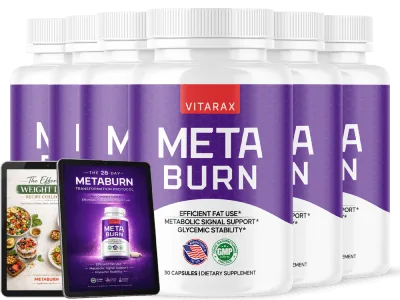
Plant-Based Metabolic Support
Plant compounds are genuinely interesting. The gap between laboratory promise and human benefit is where most supplement marketing lives.
The Laboratory-to-Human Gap Behind MetaBurn Ingredients
This is the single most useful idea for reading any botanical supplement.
A plant compound shows antioxidant activity in a test tube. It shows metabolic effects in cell culture. It improves outcomes in mice on a high-fat diet. Each is a real finding, and each is a long way from a benefit in a person.
Three things usually break the chain. Dose — animal studies often use quantities impractical in humans. Bioavailability — many polyphenols are poorly absorbed or rapidly metabolised. And outcome relevance — changing a marker is not changing health.
Resveratrol is the textbook case: two decades of compelling laboratory work and persistently disappointing human trials, largely because it is metabolised almost immediately after absorption.
How to Judge a MetaBurn Ingredient Claim Without Citations
This product's sales page names its ingredients and describes what each supports, but publishes no scientific references at all. There is no citation list to check, which puts the work of verification entirely on you.
That is not unusual, and it is not automatically damning — but it does mean a few habits are worth having.
Look up the ingredient, not the product. Searching a product name returns affiliate pages. Searching "glucomannan weight meta-analysis" or "berberine HbA1c" returns the actual literature.
Check whether human trials exist. For berberine and glucomannan they do, in quantity. For mangosteen, most of what you will find is cell and animal work.
Check the dose used. If trials used 3 g and the product is one capsule containing eight ingredients, the research is context rather than evidence.
Check what was measured. A change in an antioxidant marker is not weight loss and should not be presented as leading there.
Be sceptical of regulatory claims. "FDA approved" on a supplement page is always wrong, and it tells you something about how carefully the rest was written.
The MetaBurn "FDA Approved" claim is not accurate
The official source displays a badge and a heading reading "FDA APPROVED", describing FDA approval as assuring the highest quality standards.
No dietary supplement is FDA approved. The FDA does not review or approve supplements for safety or effectiveness before they go on sale. Manufacturers are responsible for their own products, and the agency generally acts only after a problem emerges. This is not a technicality — it is the whole regulatory position, and it is why every supplement label carries the disclaimer that its statements have not been evaluated by the FDA. The source's own footer carries that exact disclaimer, a few paragraphs below its FDA approval badge.
The claim is therefore not repeated anywhere on this website. What can fairly be said is that the brand states its product is made in the USA under GMP-compliant manufacturing. GMP certification is about how a product is made, not about whether any agency has approved it.
Where MetaBurn's Botanicals Actually Sit
Grouping them honestly:
Fibre is not a botanical claim at all. Konjac glucomannan works through physics rather than biochemistry, which is exactly why it has an accepted health claim where the polyphenols do not.
Cinnamon and prickly pear have real human research on glucose markers, cinnamon's genuinely contested across meta-analyses and prickly pear's simply smaller.
Turmeric has an enormous literature, mostly outside metabolism, and a well-known absorption problem quality products solve with piperine.
Mangosteen and resveratrol are the laboratory-promise group: interesting chemistry, thin human evidence.
Getting Plant Compounds From Food Alongside MetaBurn
Worth stating, because it is cheaper and better evidenced.
Polyphenols come in quantity from berries, coffee, tea, olive oil, dark chocolate, herbs and spices. Fibre comes from legumes, oats, vegetables and whole fruit. Turmeric works better in a curry with black pepper and fat than in an unenhanced capsule — genuinely, for the absorption reasons above.
Dietary patterns rich in these foods are consistently associated with better metabolic outcomes, and that association is considerably stronger than anything demonstrated for isolated extracts.
How to read the research on this MetaBurn page
The studies described here examined individual ingredients, usually on their own, at doses set by the researchers. That research provides scientific context for why an ingredient appears in a formula.
It does not demonstrate that the finished MetaBurn product produces the same outcomes. No clinical trial of this finished formula has been published, so nothing here should be read as product-level clinical evidence.
More MetaBurn Articles
The MetaBurn Metabolic Support Guide
A plain walkthrough of what the product is, what it can reasonably do, and the four things to check before buying.
FoundationsMetabolism and Daily Energy
What metabolism actually means, why 'boosting' it is mostly marketing, and what genuinely affects daily energy.
AppetiteAppetite Control and Fullness
How satiety actually works, why fibre matters, and what a fullness supplement can and cannot do.
Ingredient guideA Practical Guide to Konjac Glucomannan
The one ingredient in this formula with an accepted health claim — and a safety instruction that genuinely matters.
Make MetaBurn Part of Your Morning
One capsule with a full glass of water, alongside the balanced eating, regular movement and decent sleep that do the real work in metabolic wellness. Stimulant-free, and a 90-day money-back guarantee on every order.
From $47.50 per bottle · Free shipping · Bonus guides on 3 and 6-bottle orders