The two strongest. Konjac glucomannan carries an accepted European health
claim for contributing to weight loss alongside an energy-restricted diet. Berberine has
multiple human meta-analyses behind its glucose effects. Neither is a marketing
invention.
Promising but early. Akkermansia muciniphila has a genuinely
interesting research literature connecting it to metabolic health, mostly recent and much
of it using pasteurised preparations at specified doses.
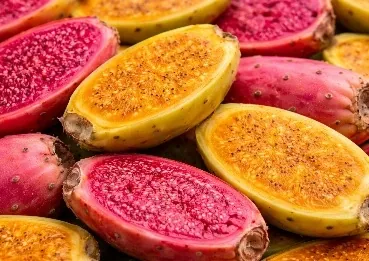
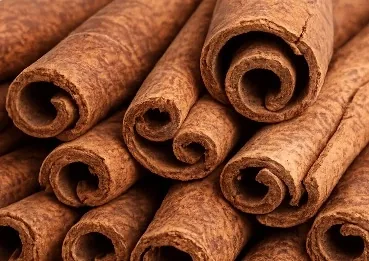
Real research, contested conclusions. Cinnamon has been studied repeatedly
for glucose markers with meta-analyses that disagree. Prickly pear has a systematic review
on glucose and insulin plus work on dietary fat.
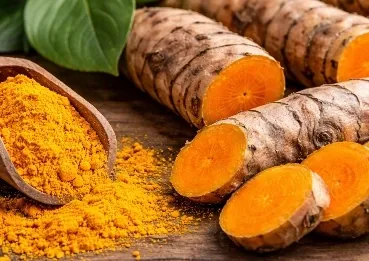
Extensive research, absorption problem. Turmeric's curcumin has an enormous
literature, mostly outside metabolism, and is very poorly absorbed without an enhancer.
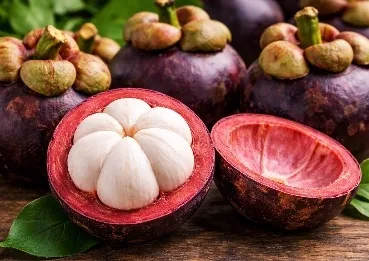
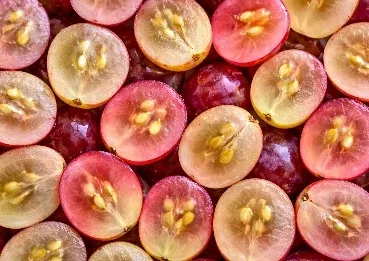
Largely preclinical. Mangosteen and resveratrol both have interesting
laboratory chemistry and thin human evidence, resveratrol especially so given how quickly
it is metabolised.
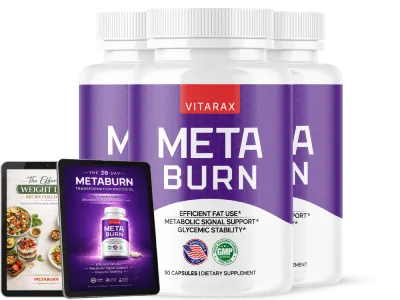
How to read the research on this MetaBurn page
The studies described here examined individual ingredients, usually on
their own, at doses set by the researchers. That research provides scientific context for
why an ingredient appears in a formula.
It does not demonstrate that the finished MetaBurn product produces the
same outcomes. No clinical trial of this finished formula has been published, so nothing
here should be read as product-level clinical evidence.
MetaBurn safety: the points worth checking first
Take it with a full glass of water — and the brand says so too.
Konjac glucomannan expands dramatically on contact with liquid, which is exactly how it
produces fullness. Taken without enough water it can swell in the throat or oesophagus,
and there are documented cases of obstruction with glucomannan products. Do not take it
immediately before lying down, and speak to a doctor first if you have any swallowing
difficulty or narrowing of the digestive tract.
- Berberine is the ingredient most worth raising with a pharmacist. It
can interact with a range of medications, may lower blood glucose, and is generally
advised against in pregnancy and while breastfeeding.
- Glucomannan can reduce absorption of oral medication, so separate it
from any prescription by a few hours.
- Berberine, cinnamon and prickly pear may all affect blood glucose,
which matters if you take diabetes medication. Cassia cinnamon also contains coumarin,
a liver consideration at higher intakes.
- Turmeric and resveratrol may both affect blood clotting and are worth
mentioning if you take anticoagulants or have surgery planned. Turmeric can also
aggravate gallbladder problems.
- Expect some digestive adjustment in the first week or two. Soluble
fibre and a probiotic together commonly cause bloating or wind while the gut
adapts.
Consult a healthcare professional before use if you are pregnant, nursing, taking
medication or managing a health condition — advice the source gives as well.