Prickly Pear
A desert cactus with a modest but genuine research record around glucose and dietary fat.
Why Prickly Pear Is in MetaBurn
The brand's own description: Described by the brand as supporting healthy digestion and metabolism, and as possibly helping the body absorb fewer carbohydrates.
A cactus fruit and pad extract with a modest but genuine human research record around post-meal glucose and dietary fat handling. This page covers what it is, the research context, its role in the formula and the cautions attached to it.
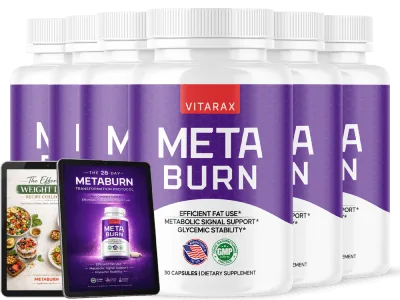
MetaBurn publishes a serving size but no ingredient amounts
Credit where it is due: the source does state how to take it — one capsule each morning with a full glass of water. That is more than many pages in this category bother with.
What is not published is how much of each ingredient a capsule contains. That gap matters because effect depends on amount. Konjac glucomannan's accepted health claim is tied to 3 g daily taken in three pre-meal doses. Cinnamon and berberine trials used quantities measured in grams and hundreds of milligrams. Curcumin is poorly absorbed without an enhancer. None of it can be compared to what is in the bottle, so no amounts appear anywhere on this website.
What Prickly Pear in MetaBurn Is
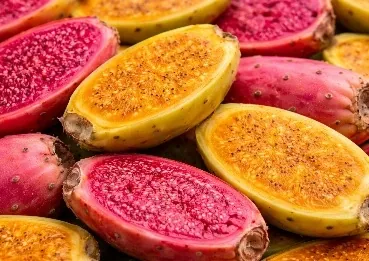
Prickly pear is Opuntia, the paddle cactus found across Mexico, the American southwest and the Mediterranean. Both its fruit (tuna) and its pads (nopal) are eaten as food, particularly in Mexican cuisine.
It contains soluble and insoluble fibre, betalain pigments with antioxidant activity, and various polyphenols. The fibre content is relevant here, since it means prickly pear contributes to the same fullness mechanism as the konjac.
The brand describes it as supporting digestion and metabolism, and as possibly helping the body absorb fewer carbohydrates.
The Research Context Behind Prickly Pear in MetaBurn
Prickly pear sits in a middle position: a real human research literature, but a small one.
Studies have examined nopal for post-meal glucose response, with a systematic review reporting reductions in serum glucose and insulin from cladodes and extracts — plausibly attributable to its fibre content slowing absorption. There is also research on blood lipids, with some trials reporting modest improvements in cholesterol markers.
Separately, research on cactus fibre and faecal fat excretion suggests Opuntia fibre may bind some dietary fat in the gut so that more passes through undigested. That is the most plausible basis for the brand's "absorb fewer carbohydrates and calories" framing, though the research concerns fat rather than carbohydrate specifically.
What does not exist is substantial evidence that prickly pear extract produces weight loss or meaningfully alters metabolic rate.
Why Prickly Pear Is Included in MetaBurn
It contributes to two jobs at once: fibre for fullness and fat binding, and polyphenols for antioxidant support. It also pairs sensibly with cinnamon bark and berberine, since all three point at glucose handling from different directions.
As with everything in this formula, the amount is unpublished — and the human studies generally used meaningful quantities of nopal as food or concentrated extract rather than a share of a capsule.
Responsible Expectations and Safety for Prickly Pear in MetaBurn
Expect a modest contribution to the glucose and fibre side of the formula. It is a sensible ingredient with a plausible rationale, and it is not going to be the reason anything changes on its own.
Safety notes. Prickly pear is a food with a long history of dietary use and is generally well tolerated. Reported effects include mild digestive upset, bloating and increased stool frequency — unsurprising given the fibre content.
The consideration worth flagging: because it may lower blood glucose, anyone taking diabetes medication should mention it to their doctor, as the effects can add together. That matters more than usual in this formula, since berberine and cinnamon point the same way. It may also have mild diuretic activity.
How to read the research on this MetaBurn page
The studies described here examined individual ingredients, usually on their own, at doses set by the researchers. That research provides scientific context for why an ingredient appears in a formula.
It does not demonstrate that the finished MetaBurn product produces the same outcomes. No clinical trial of this finished formula has been published, so nothing here should be read as product-level clinical evidence.
MetaBurn safety: the points worth checking first
Take it with a full glass of water — and the brand says so too. Konjac glucomannan expands dramatically on contact with liquid, which is exactly how it produces fullness. Taken without enough water it can swell in the throat or oesophagus, and there are documented cases of obstruction with glucomannan products. Do not take it immediately before lying down, and speak to a doctor first if you have any swallowing difficulty or narrowing of the digestive tract.
- Berberine is the ingredient most worth raising with a pharmacist. It can interact with a range of medications, may lower blood glucose, and is generally advised against in pregnancy and while breastfeeding.
- Glucomannan can reduce absorption of oral medication, so separate it from any prescription by a few hours.
- Berberine, cinnamon and prickly pear may all affect blood glucose, which matters if you take diabetes medication. Cassia cinnamon also contains coumarin, a liver consideration at higher intakes.
- Turmeric and resveratrol may both affect blood clotting and are worth mentioning if you take anticoagulants or have surgery planned. Turmeric can also aggravate gallbladder problems.
- Expect some digestive adjustment in the first week or two. Soluble fibre and a probiotic together commonly cause bloating or wind while the gut adapts.
Consult a healthcare professional before use if you are pregnant, nursing, taking medication or managing a health condition — advice the source gives as well.
Related MetaBurn Reading
The main ingredients page sets out how all eight named ingredients work together, and how MetaBurn works explains the five support roles and their limits in more depth.
More MetaBurn Ingredients
Mangosteen
A tropical fruit whose rind is rich in xanthones, included for antioxidant support. Its human research record is considerably thinner than its laboratory one.
Fullness and appetiteKonjac Glucomannan
A soluble fibre from konjac root that absorbs water and expands. The one ingredient in this formula with an accepted regulatory health claim behind it.
Inflammation and balanceTurmeric
A rhizome whose active compound curcumin is among the most studied plant compounds in nutrition — and among the most poorly absorbed.
Cellular and antioxidant supportResveratrol
A polyphenol with compelling laboratory research and two decades of persistently disappointing human trials.
Make MetaBurn Part of Your Morning
One capsule with a full glass of water, alongside the balanced eating, regular movement and decent sleep that do the real work in metabolic wellness. Stimulant-free, and a 90-day money-back guarantee on every order.
From $47.50 per bottle · Free shipping · Bonus guides on 3 and 6-bottle orders