Resveratrol
The famous red wine polyphenol — with a bioavailability problem that has frustrated researchers for twenty years.
Why Resveratrol Is in MetaBurn
The brand's own description: Described by the brand as a natural antioxidant from grapes and berries that supports cells, energy production and metabolism.
A polyphenol with compelling laboratory research and two decades of persistently disappointing human trials. This page covers what it is, the research context, its role in the formula and the cautions attached to it.
MetaBurn publishes a serving size but no ingredient amounts
Credit where it is due: the source does state how to take it — one capsule each morning with a full glass of water. That is more than many pages in this category bother with.
What is not published is how much of each ingredient a capsule contains. That gap matters because effect depends on amount. Konjac glucomannan's accepted health claim is tied to 3 g daily taken in three pre-meal doses. Cinnamon and berberine trials used quantities measured in grams and hundreds of milligrams. Curcumin is poorly absorbed without an enhancer. None of it can be compared to what is in the bottle, so no amounts appear anywhere on this website.
What Resveratrol in MetaBurn Is
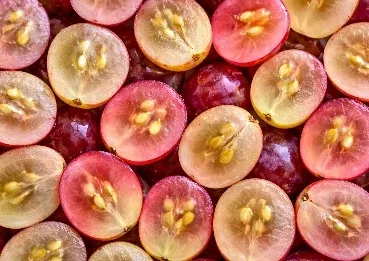
Resveratrol is a polyphenol produced by several plants as a defence response. It occurs in the skins of red grapes, in blueberries and cranberries, in peanuts, and most abundantly for supplement purposes in Polygonum cuspidatum, Japanese knotweed.
It became famous through the "French paradox" — the observation that French populations had relatively low cardiovascular disease rates despite a rich diet, which was speculatively attributed to red wine. That story turned out to be considerably more complicated than it was first presented.
The brand describes it as a natural antioxidant supporting cells, energy production and metabolism, and as helping with blood sugar balance and cravings.
The Research Context Behind Resveratrol in MetaBurn
Resveratrol has been intensively researched for two decades, and the results have been genuinely humbling.
The laboratory work is compelling. Resveratrol activates sirtuins, particularly SIRT1, a family of proteins involved in cellular ageing and metabolic regulation. It has shown lifespan effects in yeast, worms and flies, and metabolic benefits in rodents fed high-fat diets. This is what generated the enormous interest.
Human results have been much weaker. Trials in people have produced inconsistent findings across metabolic markers, insulin sensitivity and cardiovascular outcomes. Some report modest benefits; many find nothing significant.
The central obstacle is bioavailability. Resveratrol is absorbed reasonably well but then metabolised almost immediately by the liver and intestine into conjugates, so free resveratrol in blood is extremely low and short-lived. The doses that worked in animals do not translate to achievable human blood levels.
The field has also been affected by a well-publicised research misconduct case involving a prominent sirtuin researcher, which is worth knowing as context for how enthusiastic some early claims were.
One specific note: the brand's description credits resveratrol with helping reduce cravings and supporting digestion. Those are not claims the resveratrol literature supports in any meaningful way.
Why Resveratrol Is Included in MetaBurn
It provides antioxidant support alongside mangosteen and turmeric, and it remains one of the most recognisable ingredients in the wellness market — carrying an association with longevity research that has outlasted the strength of the supporting data.
Treated honestly: a plausible antioxidant contributor with an unresolved delivery problem, at an unpublished amount.
Responsible Expectations and Safety for Resveratrol in MetaBurn
Expect very little from the resveratrol specifically. That is not cynicism — it is where twenty years of human research has landed, and anyone promising you sirtuin activation from a shared capsule is ahead of the science.
Safety notes. Resveratrol is generally well tolerated at typical supplement doses. Digestive upset, nausea and diarrhoea are the most commonly reported effects, mostly at higher doses.
Two considerations. Resveratrol may have mild antiplatelet activity, relevant alongside anticoagulants or before surgery — and note that turmeric in the same capsule shares that consideration. It also has weak oestrogenic activity, which means anyone with a hormone-sensitive condition should seek medical advice before taking it. It can inhibit certain liver enzymes at higher doses, potentially affecting how some medications are metabolised.
How to read the research on this MetaBurn page
The studies described here examined individual ingredients, usually on their own, at doses set by the researchers. That research provides scientific context for why an ingredient appears in a formula.
It does not demonstrate that the finished MetaBurn product produces the same outcomes. No clinical trial of this finished formula has been published, so nothing here should be read as product-level clinical evidence.
MetaBurn safety: the points worth checking first
Take it with a full glass of water — and the brand says so too. Konjac glucomannan expands dramatically on contact with liquid, which is exactly how it produces fullness. Taken without enough water it can swell in the throat or oesophagus, and there are documented cases of obstruction with glucomannan products. Do not take it immediately before lying down, and speak to a doctor first if you have any swallowing difficulty or narrowing of the digestive tract.
- Berberine is the ingredient most worth raising with a pharmacist. It can interact with a range of medications, may lower blood glucose, and is generally advised against in pregnancy and while breastfeeding.
- Glucomannan can reduce absorption of oral medication, so separate it from any prescription by a few hours.
- Berberine, cinnamon and prickly pear may all affect blood glucose, which matters if you take diabetes medication. Cassia cinnamon also contains coumarin, a liver consideration at higher intakes.
- Turmeric and resveratrol may both affect blood clotting and are worth mentioning if you take anticoagulants or have surgery planned. Turmeric can also aggravate gallbladder problems.
- Expect some digestive adjustment in the first week or two. Soluble fibre and a probiotic together commonly cause bloating or wind while the gut adapts.
Consult a healthcare professional before use if you are pregnant, nursing, taking medication or managing a health condition — advice the source gives as well.
Related MetaBurn Reading
The main ingredients page sets out how all eight named ingredients work together, and how MetaBurn works explains the five support roles and their limits in more depth.
More MetaBurn Ingredients
Mangosteen
A tropical fruit whose rind is rich in xanthones, included for antioxidant support. Its human research record is considerably thinner than its laboratory one.
Fullness and appetiteKonjac Glucomannan
A soluble fibre from konjac root that absorbs water and expands. The one ingredient in this formula with an accepted regulatory health claim behind it.
Digestion and carbohydratesPrickly Pear
A cactus fruit and pad extract with a modest but genuine human research record around post-meal glucose and dietary fat handling.
Inflammation and balanceTurmeric
A rhizome whose active compound curcumin is among the most studied plant compounds in nutrition — and among the most poorly absorbed.
Make MetaBurn Part of Your Morning
One capsule with a full glass of water, alongside the balanced eating, regular movement and decent sleep that do the real work in metabolic wellness. Stimulant-free, and a 90-day money-back guarantee on every order.
From $47.50 per bottle · Free shipping · Bonus guides on 3 and 6-bottle orders